
When you hire a movers London Ontario, basic carrier liability comes automatically, but it’s valuation coverage, not true insurance. It assigns value based on weight, not replacement cost, and often falls short with high-value or lightweight items.
Understanding these gaps matters. Too many discover problems only after damage occurs. Let’s walk through coverage types, what to check, and how to protect yourself.
RELEASED-VALUE LIABILITY VERSUS REPLACEMENT-VALUE PROTECTION
 The default protection from a moving company is released-value liability, where responsibility is tied to weight, not replacement cost. An antique dresser worth 2,000 dollars but weighing 50 pounds gets minimal liability coverage.
Replacement-value protection, sometimes called declared-value coverage, covers replacement cost instead. This is what you want, but costs extra. When hiring a moving company in London Ontario, ask whether they offer replacement-value protection and its cost. Your written estimate should detail this clearly.
The gap between these two options is where claims get denied or underpaid. Always clarify which type you have before signing anything.
WHY WEIGHT-BASED LIABILITY FAILS FOR VALUABLE LIGHTWEIGHT ITEMS
Electronics, jewelry, artwork, and antiques present a problem. A laptop worth 1,500 dollars may weigh three pounds, while a 5,000-dollar painting weighs almost nothing. Under weight-based liability, these items get minimal protection despite their actual value.
This is why luxury goods need special attention. When working with a movers London Ontario company, mention high-value, lightweight belongings upfront. Declare these items separately, stating their value in writing so the mover adjusts liability accordingly.
THIRD-PARTY MOVING INSURANCE AND HOW IT WORKS
Many don’t realize that third-party insurance exists outside moving company coverage. Insurance brokers sell moving-specific policies that operate independently of carrier liability, protecting your full replacement value and filling released-value gaps.
Cost is usually modest, often 1 to 3 percent of shipment value. For moves with valuable items, this is often smart. Read policy details carefully, as some exclude categories like fine art or high-end jewelry.
CHECKING YOUR HOMEOWNER OR TENANT INSURANCE POLICY
Before buying separate insurance, review your existing homeowner or tenant policy. Some coverage extends to goods during transit, though often limited. Call your agent and ask: Does the policy cover transit? What’s the deductible? Are there dollar limits per item?
Many policies provide transit coverage, but it’s often limited. You may still want extra protection. Get this conversation in writing.
HIGH-VALUE ITEM DECLARATIONS AND SPECIAL HANDLING
Declare expensive or irreplaceable items to your movers London Ontario before the move. Most companies offer a declaration process where you list items and values in writing. The mover confirms understanding and adjusts liability or recommends additional insurance.
Some items need special handling agreements. Valuable paintings, pianos, or art glass may need professional packing, climate-controlled transport, or custom crating. Discuss these upfront. Special handling costs far less than replacing damaged items.
ITEMS PACKED BY YOU VERSUS ITEMS PACKED BY THE MOVER
This distinction matters. When you pack a box yourself, the mover’s liability is typically reduced, since improper packing caused the damage, not careless transport. If the company packs it, liability remains higher because they controlled the process.
For fragile or valuable items, let the professional packing team handle it. Your cost increases, but your protection does too. This is a worthwhile trade for anything irreplaceable.
DOCUMENT CONDITION WITH PHOTOS BEFORE THE MOVE
Before the truck arrives, photograph and video your items in current condition, especially furniture, electronics, and appliances. These images protect you if a claim arises. Without documentation, disputing when damage occurred becomes nearly impossible.
Use your smartphone for clear, well-lit pictures. Include close-ups of existing scratches, marks, or wear. Save files securely and make copies. When movers unload, photograph items as they’re placed in your home.
THE INVENTORY SHEET AND CLAIM PROCESS
Your moving company should provide an inventory sheet for every item loaded. Review it carefully before signing. Discrepancies caught early are easier to resolve. Note item condition as they’re unloaded and report damage immediately, typically within 24 to 72 hours.
To file a claim, you’ll need the inventory, photos, receipts, and the mover’s repair estimate. Claims are time-limited, so report damage promptly.
A NOTE ON GENERAL INFORMATION
This article provides general information about moving coverage concepts in Ontario. It does not constitute legal or insurance advice. Always review your moving contract carefully, confirm the exact terms with your mover, and consult your insurance policy or an insurance professional for your specific situation.

PROTECTING YOUR MOVE WITH BRAWNY MOVERS
Choosing a licensed, reputable movers London Ontario company is your first line of defense. The best movers take liability seriously and explain your options clearly. They’ll help you understand what’s covered and how to fill gaps.
Brawny Movers serves London, Ontario and the surrounding region with professional moving services. Call us at 1-800-974-8641 to discuss your move and coverage options, or visit BrawnyMovers.com to learn more. We’re here to make your move straightforward and protect your belongings every step of the way.
ADDRESS
Brawny Movers
185 Ashland Avenue, London, ON, N5W 4E1
Phone: 1-800-974-8641
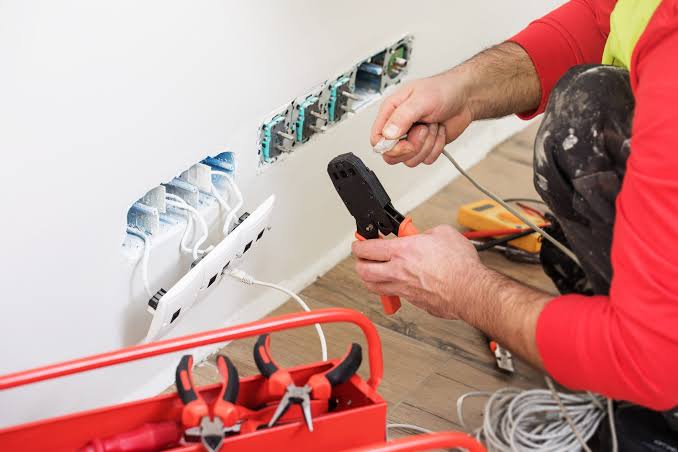
 During hurricane season, power surges can damage panels and breakers. A newer panel with modern surge protection features handles these electrical stresses better than aging systems. If you’re planning to stay in your New Orleans home for the long term, upgrading isn’t optional if your current panel is struggling. It’s an investment in reliability and safety.
 Fractional programs charge 1-2% annual management fees on equity value. On a $1.5 million stake, that’s $15,000–$30,000 yearly regardless of flight usage. Add fuel surcharges, crew training, and maintenance reserves, and true annual costs climb to $40,000–$60,000 before a single flight.